

24x30 bathroom mirror
Building a Welding Table The Essential Guide Creating a dedicated welding table is a fundamental project for any welder. A good welding table not only provides a flat and stable surface for your projects but also enhances safety and efficiency in your work. In this article, we will guide you through the essential steps and considerations for making a welding table that meets your specific needs. Step 1 Planning Your Welding Table Before starting any construction work, it’s crucial to plan the design of your welding table. Consider the following factors 1. Size Determine the dimensions based on your typical projects. A standard size varies, but a good starting point is around 4 feet by 2 feet. If you often work on larger projects, you may need to increase the size. 2. Height The ideal height of a welding table should be comfortable for your working stance. Generally, it is around waist height. Some experienced welders prefer adjustable height tables for added versatility. 3. Material The tabletop material is critical. Common choices include steel and aluminum. Steel is more durable and can withstand higher temperatures, making it ideal for welding. Consider using a 1/4-inch or thicker steel plate for the top, as it prevents warping and provides a reliable surface. 4. Portability Decide whether you want a stationary table or a portable one on wheels. A mobile table can be advantageous for small workshops or when workspace is limited. Step 2 Gather Materials and Tools Once you have a design in mind, it’s time to gather your materials and tools. Here’s a basic list - Steel or aluminum sheet for the tabletop - Steel tubing for the frame and legs - Angle grinder - Welding machine - Metal clamps - Measuring tape - Safety gear (gloves, mask, apron) - Level Step 3 Constructing the Frame Start by building the frame of your welding table. Cut your steel tubing to the desired lengths for the table legs and support beams. A common design features a rectangular frame, with four legs at each corner for stability. 1. Weld the Frame Position the cut tubing pieces and use clamps to hold them in place. Tack weld the corners before fully welding to ensure everything is square. making a welding table 2. Add Cross Supports Strengthen the structure by adding cross supports beneath the tabletop. This will prevent sagging and increase the overall stability of the table. 3. Attach Legs Securely attach the legs to the corners of the frame. Ensure they are evenly spaced and square to provide a level working surface. Step 4 Attaching the Tabletop Once the frame is ready, it’s time to attach the tabletop 1. Place the Steel Plate Position the steel sheet on top of the frame. Ensure it overhangs evenly on all sides if that is part of your design. 2. Weld the Top Use even, consistent welds along the edges to secure the tabletop to the frame. Take care to prevent any warping by allowing the metal to cool as you work. Step 5 Finishing Touches After the welding is complete, you should consider a few finishing touches 1. Level the Table Use a level to check the surface. If needed, adjust the legs to ensure the table is perfectly flat. 2. Surface Treatment To prolong the life of your welding table, consider painting it with high-temperature paint or adding a rust-resistant coating. 3. Add Features Many welders enhance their tables with additional features like built-in clamps, storage for tools, or electrical outlets for equipment. Conclusion Making a welding table is a rewarding project that significantly boosts your welding capabilities. It not only provides a flat and sturdy surface but also helps keep your workspace organized and safe. By following these steps and carefully considering your needs, you can build a welding table that serves you well for years to come. Happy welding!
about
24x30 bathroom mirror
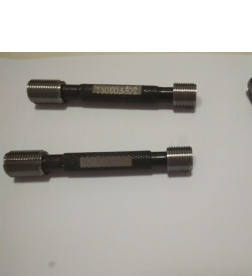
Understanding Bore Gauges A Comprehensive Guide to Buying the Right Tool When it comes to precise measurement in various industrial and mechanical applications, bore gauges are indispensable tools. These instruments are designed to measure the internal diameters of holes, cylinders, and other round features with utmost accuracy. If you're in the market for bore gauges for sale, understanding the different types, their applications, and key features can help you make an informed decision. Types of Bore Gauges 1. Dial Bore Gauges These are perhaps the most common types. They consist of a dial indicator mounted on a measuring probe. By inserting the probe into the bore, users can read the internal diameter on the dial, which provides a quick and easy way to get measurements. 2. Electronic Bore Gauges For those who prefer digital accuracy, electronic bore gauges are the way to go. These tools offer the advantage of digital readouts, often with advanced features such as data storage, connectivity options, and enhanced precision. 3. Tapered Bore Gauges These are specifically designed for measuring conical bores. They typically come in different sizes and shapes to accommodate various conical angles, ensuring that users can measure accurately even in complex geometries. 4. Gage Blocks While not traditional bore gauges, gage blocks can be used in conjunction with other measuring tools to ensure that bore sizes meet specified tolerances. They are particularly useful for calibration purposes. Applications of Bore Gauges Bore gauges are widely used in manufacturing and maintenance industries, particularly in automotive, aerospace, and machinery manufacturing. They are crucial in fitting parts together, ensuring that components meet specified tolerances, and conducting quality control checks. Engineers and machinists rely on these tools to maintain the quality and integrity of their work, as even minute discrepancies can lead to significant problems in assembly and functionality. bore gauges for sale Key Features to Consider When shopping for bore gauges, there are several features to keep in mind - Measurement Range Ensure the gauge can measure the specific bore sizes you work with. Different models offer varying measurement ranges. - Accuracy Check the gauge's tolerance and accuracy specifications. For critical applications, a higher accuracy is often required. - Ease of Use Look for gauges that are intuitive and easy to operate. Features like clear readouts and ergonomic designs can enhance usability. - Durability Since bore gauges can be used in tough environments, choose models that are robust and made from high-quality materials to withstand wear and tear. - Calibration Regular calibration is vital for maintaining accuracy. Some manufacturers offer gauges that are easier to calibrate, which can save time in quality control processes. Conclusion Investing in the right bore gauge is crucial for ensuring precision in your measurements. With a variety of options available for sale, understanding your specific needs and the features of each gauge can help you make an informed choice. Whether you opt for a dial, electronic, or tapered bore gauge, remember that quality tools are an investment in the reliability of your work. By choosing wisely, you can enhance efficiency and ensure superior results in your projects.
-

High quality industrial productsagement

High quality industrial products
View Details -

Meet the diverse needs of customers

Meet the diverse needs of customers
View Details -

Strict quality control

Strict quality control
View Details -

Top raw materials

Top raw materials
View Details -

Trusted supplier

Trusted supplier
View Details
Our application


news and information
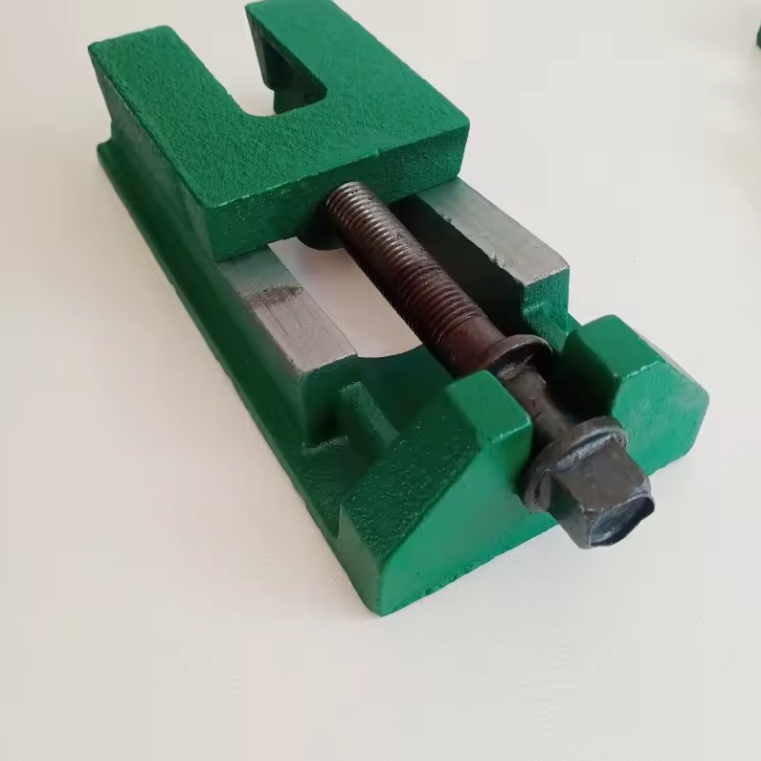
Versatile and Durable Metal Angle Brackets for Adjustable Applications in Home and Industrial Projec
The Versatility and Utility of Adjustable Metal Angle Brackets In the world of construction and DIY
Valve China - Leading Provider of Valve Solutions
Valve China A Gateway to Industrial Innovation Valve China has emerged as a pivotal player in the gl
Wooden frame construction with truss plates and nails for added structural support.
Wood frame construction has been a popular building method for centuries, providing a versatile and
 English